Delivery apps
Commission on every takeaway
The apps bring orders, but a large slice of each one goes to the platform and the customer's details stay with them, not you.
Ads and visibility: customers who are looking for your service now or don’t know about it yet.
01 Google AdsEnquiries from people searching for your service right nowfrom £480/mo 02 Social media adsMeta, TikTok, LinkedIn: customers who are not searching yetfrom £480/mo 03 SEOHigher in Google and Maps without paying per clickfrom £430/mo 04 Visibility in ChatGPT and AIYour business in AI assistant answerspart of SEO 05 Amazon, eBay and marketplacesSell where customers already buywith a partnerThe place where a visit turns into an enquiry, and a system that doesn’t lose that enquiry.
01 Web designA website that turns visits into enquirieslanding from £400 02 Online shopsCart, payments and shipping, ready for adsfrom £1,300 03 CRMNo enquiry gets lost in a phonesetup £620 04 Chatbots and AIThey answer customers, at night too£310 05 Email and SMSCustomers come back instead of forgetting youquoted individuallyPlan and tracking first, budget second. You know what works before you spend more.
01 Strategy and auditKnow where to spend the budget before you spend it£500 02 AnalyticsSee which ad brings in money£240 03 ConsultationsA call about your specific problem£25/h 04 Free auditA quick review and 3–5 priorities to start£0How your business looks and sounds before anyone calls you.
01 Social media managementProfiles that look like a real businesswith a partner 02 Creative and videoGraphics and videos that stop the thumbquoted individually 03 BrandingA logo and style that set you apartwith a partnerMarketing for restaurants that brings people to the table, not just likes: Tuesday and Wednesday covers. You cook, I handle the website, Maps and ads.
Free: a 30-minute call, an action plan and a price range in writing.
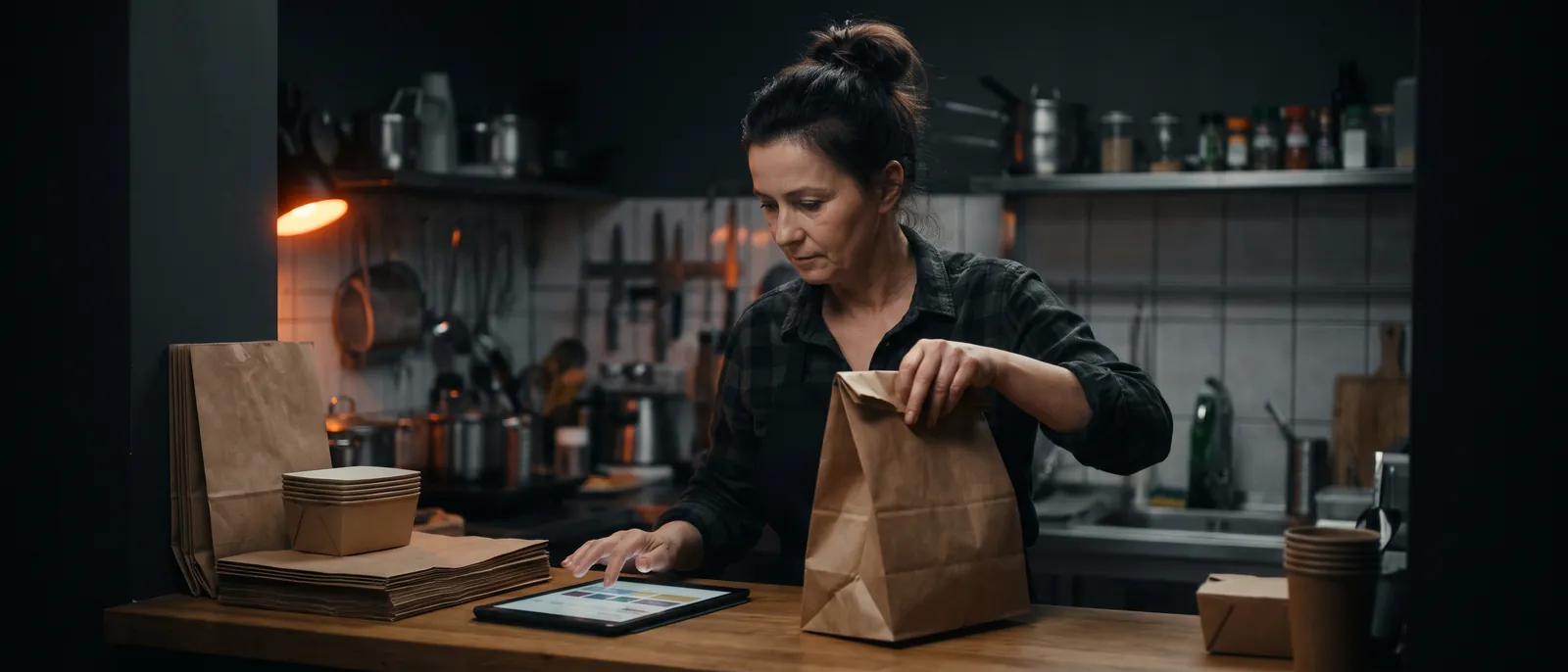
The apps bring orders, but a large slice of each one goes to the platform and the customer's details stay with them, not you.
Someone nearby searches "Italian near me". Your listing has old hours, three photos from 2021 and no booking button, so they pick the place next door.
Pinching and zooming a scanned menu while standing in the street is enough to make people give up.
Customers book online at any time, and a reminder before the visit cuts down on no-shows.
Accurate hours (including bank holidays), a current menu, real food photos, a booking or ordering link and replies to every review.
Collection and delivery orders on your website, paid online, with the customer's details in your CRM for the next offer.
Readable on a phone, with allergen information and dietary labels that Google can also read.
Short videos of the kitchen and the dishes, shown to people within a few miles before lunch and before dinner.
Birthday messages, new seasonal menus and the date your Christmas bookings open, sent to people who asked to hear from you.
Delivery orders taken on the restaurant's own site, a CRM with customer history and ads that point to the ordering page instead of a marketplace. A Polish market town and a British high street share the same problem with app commissions.
See the case study →Final prices in pounds sterling. Ad budget is paid by you directly to Meta or Google.
A one-page site with menu, booking link, map and analytics.
Online ordering for collection and delivery, with payments and order notifications.
Local Facebook and Instagram ads around service times.
Which services are quiet, what your average spend is, and how much the delivery apps take.
Fixing the Google listing is quick and usually brings the fastest change.
Menu, booking and, if it makes sense, direct ordering.
Local ads, then email and SMS to people who already ate with you.
Most decisions about where to eat happen on a phone, often within an hour of eating. People search "pub food near me", "best curry in Leeds", "Sunday roast" or "vegan brunch" and compare the top three or four places on Google Maps. Marketing for restaurants starts there: an accurate profile, recent photos, a working menu link and a booking button. If your listing says you are open on a bank holiday Monday when you are not, you lose that customer and probably get a bad review too.
The second decision point is the menu itself. A scanned PDF is hard to read and invisible to search. A menu built as a normal web page with prices, allergens and dietary labels answers the question people have before they ring. It also helps with the growing number of people asking AI assistants where to eat.
The big delivery platforms are useful but expensive. I usually suggest keeping them for discovery and building your own ordering page for repeat customers. That is what I did for Da Diego, a restaurant in southern Poland: the site takes delivery orders itself, every order lands in a CRM, and ads send people to the restaurant's own checkout. The same model suits a British takeaway or a family-run Italian. The setup for an online shop or ordering site starts from £1,300.
January is quiet, so Veganuary and Dry January menus give people a reason to come out. Valentine's Day and Mothering Sunday fill up quickly and reward early booking pages. Summer brings beer gardens and tourists, and the Christmas party season starts selling in September. A seasonal marketing calendar helps plan the year so you are not writing a Mother's Day post on the Friday before.
For a single independent restaurant, Maps and a good website usually beat paid ads at first. Local Meta ads with real food videos come next, often with a modest daily budget aimed at a few miles around you. Google Ads makes more sense for event spaces, private dining and Christmas parties, where one booking is worth a lot. If you are in a busy city centre such as Liverpool or Edinburgh, expect more competition for the same searches.
I work remotely with restaurants anywhere in the UK and reply within one working day. Start with a free consultation if you want an honest view on where your next customers will come from.
Usually not straight away. The apps are good at finding first-time customers. The aim is to move repeat customers to your own ordering page, where you keep the margin and the contact details. A card in every bag with your website address and a small reason to order direct does a lot of the work.
If a charge is compulsory, the DMCC Act requires it to be included in the price people see first, not added at checkout. An optional service charge for table service must be clearly optional. I build the checkout so totals are shown honestly from the start.
Instagram is good for showing food, but it does not rank in Google, it cannot take orders properly and you do not own the account in the same way. A simple site with the menu, booking and ordering gives Instagram somewhere to send people.
Offices book early. Many restaurants open Christmas bookings in September and run ads from early October, when team leaders are told to organise the do. By mid-November most of the big groups have chosen.
Yes, I speak both, as well as Russian. In areas with a large Eastern European community, a menu and a few posts in their language can bring in customers who feel nobody else is talking to them.
Tell me the town, the type of food and which services need filling. I reply within one working day.
What do you need most?