Rules[01]
Naming the medicine
An ad that says "Botox from £150" breaks UK rules on prescription-only medicines. Complaints to the ASA are common and rulings are published.
Ads and visibility: customers who are looking for your service now or don’t know about it yet.
01 Google AdsEnquiries from people searching for your service right nowfrom £480/mo 02 Social media adsMeta, TikTok, LinkedIn: customers who are not searching yetfrom £480/mo 03 SEOHigher in Google and Maps without paying per clickfrom £430/mo 04 Visibility in ChatGPT and AIYour business in AI assistant answerspart of SEO 05 Amazon, eBay and marketplacesSell where customers already buywith a partnerThe place where a visit turns into an enquiry, and a system that doesn’t lose that enquiry.
01 Web designA website that turns visits into enquirieslanding from £400 02 Online shopsCart, payments and shipping, ready for adsfrom £1,300 03 CRMNo enquiry gets lost in a phonesetup £620 04 Chatbots and AIThey answer customers, at night too£310 05 Email and SMSCustomers come back instead of forgetting youquoted individuallyPlan and tracking first, budget second. You know what works before you spend more.
01 Strategy and auditKnow where to spend the budget before you spend it£500 02 AnalyticsSee which ad brings in money£240 03 ConsultationsA call about your specific problem£25/h 04 Free auditA quick review and 3–5 priorities to start£0How your business looks and sounds before anyone calls you.
01 Social media managementProfiles that look like a real businesswith a partner 02 Creative and videoGraphics and videos that stop the thumbquoted individually 03 BrandingA logo and style that set you apartwith a partnerMarketing for aesthetics clinics built around what you are allowed to sell: consultations. Ads that get approved, pages that reassure, and a booking flow that takes a deposit.
Free: a 30-minute call, an action plan and a price range in writing.
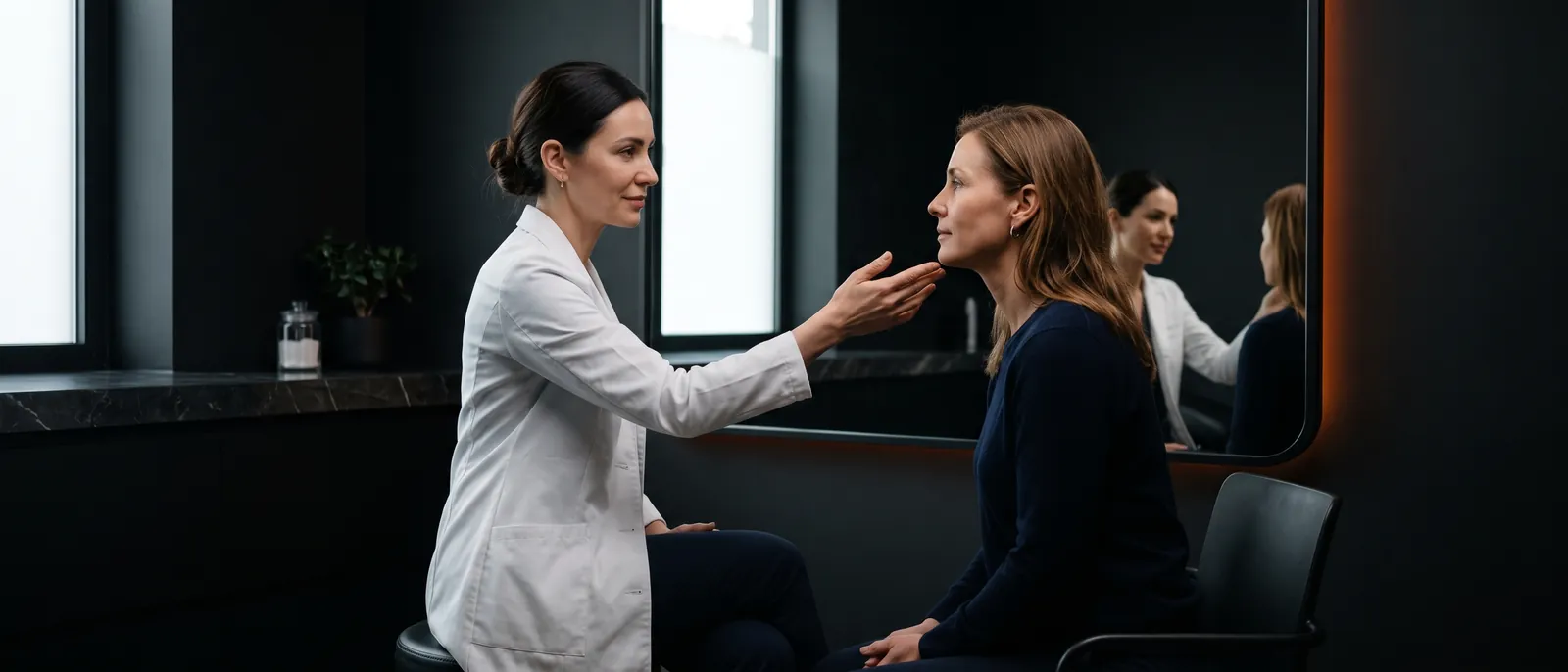
An ad that says "Botox from £150" breaks UK rules on prescription-only medicines. Complaints to the ASA are common and rulings are published.
Meta and Google review aesthetics ads closely. Copy built on body image or before-and-after promises often gets disapproved, and repeat problems can limit the account.
Bookings without a deposit or reminder leave gaps in a practitioner's day that cost more than the ad that produced them.
Before calling, customers read reviews. I help you collect them and reply in a way that builds trust.
Marketing for aesthetics clinics in the UK is shaped by one rule above all: prescription-only medicines cannot be advertised to the public. Botulinum toxin is the best-known example, and the MHRA and the ASA treat it seriously. That covers obvious words, but also hashtags, abbreviations and "anti-wrinkle injections" used as a thin disguise next to a price. ASA rulings against clinics and practitioners are published regularly.
What you can promote is the consultation, the clinic, your practitioners and the concern a person wants help with. In practice this works better anyway. Someone worried about frown lines wants to know who will see them, what the options are and what it costs to talk. A page like that sells the appointment; the prescriber decides on treatment after a proper consultation. Dermal fillers are not prescription-only medicines, but they still fall under the CAP Code rules on health and beauty claims, and licensing for non-surgical cosmetic procedures is being introduced in England, so check the current position with your insurer or solicitor.
The CAP Code expects claims to be supported by evidence and images to be honest. Before-and-after photos should be your own clients, with written consent, lit and framed the same way, without retouching. Avoid language that plays on insecurity or targets under-18s; ads for many cosmetic procedures must not be aimed at that age group. Reviews must be genuine: the DMCC Act bans fake reviews and hiding paid ones, so influencer posts need a clear #ad. My piece on fake reviews and the DMCC Act explains the detail.
Aesthetics clients usually research for weeks. They follow practitioners on Instagram, read Google reviews, compare consultation fees and look for evidence of medical qualifications. Searches are local and specific: "lip filler Manchester", "skin clinic near me", "laser hair removal course price". I build pages per concern and per treatment, link them to your Instagram ads and set up the booking so a deposit is taken at the moment of decision. A follow-up message a few days after a consultation, sent only with consent, often does more than another ad, because many clients need time to decide.
January and the run-up to summer are busy; so are the weeks before Christmas parties and weddings. Rather than discounts, which cheapen a medical service, I suggest courses, packages and early consultation slots. Prices should include all mandatory fees in the headline figure, as drip pricing is now banned.
Treatment interest is health-related data. I keep pixels off medical questionnaires, use consent mode and send only the fact of a booking to ad platforms. For a wider view of skincare product brands, see marketing for cosmetics brands. I work remotely with clinics across the UK; my clients so far are in Poland and Canada, and one of them is a laser clinic where I run marketing day to day.
Pages built around concerns ("lines between the brows", "skin texture") and the consultation that follows, which is legal to promote and is what people actually book.
Practitioner-led video, clinic tours and education. Targeting set with care, since Meta limits ads that play on personal attributes.
People searching "aesthetics clinic near me" or "skin clinic Bristol" are close to booking. Reviews and a complete profile carry a lot of weight here.
A booking flow that takes a deposit and sends reminders, plus courses and packages sold online where the treatment allows it.
A laser and beauty clinic where I am head of marketing: online booking with treatment packages, prices shown and courses sold in advance.
See the case study →Booking pages per location and a CRM, useful if you run clinic days in more than one town.
See the case study →Prices in pounds sterling. Ad budget goes from your card to Meta or Google.
One page for one concern or treatment.
Clinic website, Google Ads setup and analytics.
Both ad platforms run together.
Treatments, practitioners, average booking value and which days are quiet.
Site, Instagram and ads checked against the CAP Code and platform policies.
Consultation pages, deposits and reminders, live in 10 to 30 days.
Meta and Google campaigns, checked every two weeks, reported monthly.
Not in a way that promotes it to the public. You can describe the consultation for lines and wrinkles and explain that a prescriber will discuss suitable options. A neutral treatment information page is a grey area; ask your insurer or solicitor how far to go.
Usually, if the copy avoids before-and-after promises, does not single out a person's appearance and does not name prescription medicines. I write and test ads with those rules in mind and keep the account history clean.
Many clinics take a small fee or a deposit that comes off the treatment. It filters out casual bookings and reduces no-shows. I set up the booking flow either way; the commercial choice is yours.
I write the briefs and plan the content. Filming is done by your team on a phone or by a local photographer you choose. For larger creative jobs I quote individually.
Once the landing page is live and tracking works, usually two to three weeks after we agree the plan. Search ads may need a few days for policy review.
Tell me about your clinic and practitioners. I reply within one working day.
What do you need most?